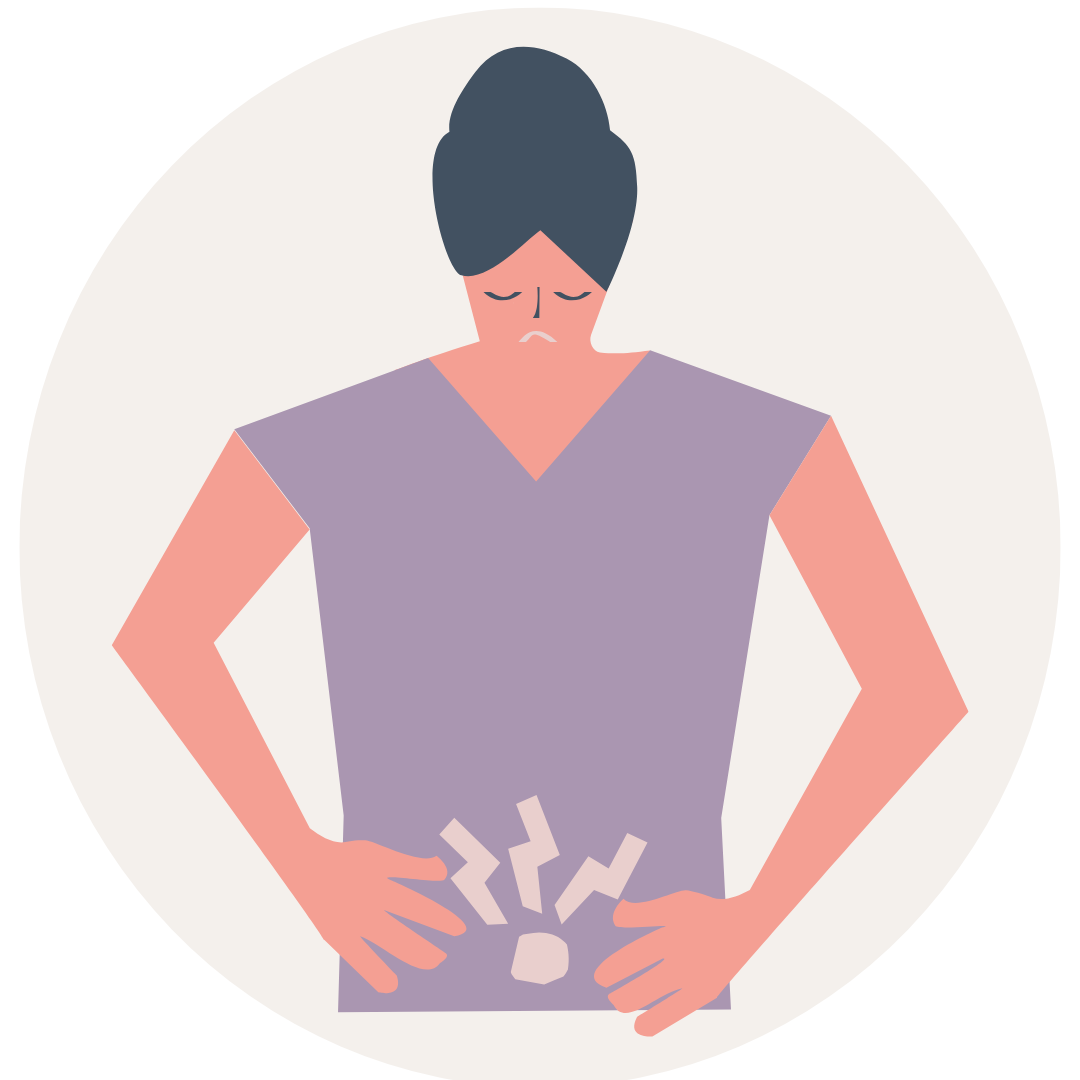
Understanding PCOS & Pelvic Pain

What is Polycystic Ovary Syndrome?

As an endocrine system disorder, patients with PCOS grow a number of small cysts, or fluid-filled sacs, on their ovaries that can cause a wide variety of painful and lifestyle-altering symptoms.

Polycystic Ovary Syndrome

Risk Factors

While chronic pelvic pain affects many people and is caused by different conditions, some people may have an increased risk of experiencing chronic pelvic pain due to lifestyle and other factors. If you suspect you have CPPS, and any of these risk factors apply to you, it’s important to talk with your healthcare provider about both.

  • icon

    Pelvic Floor Muscle Hypertonia

  • icon

    Endometriosis

  • icon

    Adenomyosis

  • icon

    Fibroids

  • icon

    PCOS (Polycystic Ovarian Syndrome)

  • icon

    Diagnosis of Chronic Prostatitis

  • icon

    Hip Impingement

  • icon

    Hyper Mobility

  • icon

    STD/UTI/Yeast Infection History

  • icon

    Hernia

  • icon

    Post Partum

  • icon

    Diastasis Recti

Is Your Pelvic Pain Caused by PCOS?

Diagnosing Polycystic Ovary Syndrome

Diagnosing chronic pelvic pain and the issues that are causing it requires an in-depth examination of both the nerves and muscles within the pelvis, learning of your medical history, and getting a full picture of your symptoms and lifestyle.

Here’s what you can expect when you are a patient at Pelvic Rehabilitation Medicine:

  • icon

    Step One – First, our providers will ask questions about your medical history and listen to your symptoms to get a full picture of what is going on with you.

  • icon

    Step Two – Next, an external exam of your hips, abdomen, and posterior sacrum.

  • icon

    Step Three – Next, your pelvic nerves are evaluated externally with a soft cotton tip.

  • icon

    Step Four – Next, with your consent, gel is placed on a gloved finger and an internal exam is performed to allow us to evaluate the nerves and muscles within the pelvis. There is no speculum required as we are evaluating the pelvic floor muscles and nerves not the organs.

  • icon

    Step Five – Sometimes patients will need Imaging to help us understand if there is an associated cause of the pelvic nerve and muscle pain and dysfunction found on exam.

  • icon

    Step Six – Oftentimes, treatment can be started the same day as there is no down time. Our patients have been suffering with pelvic pain symptoms for 6+ months. We like to get them on the road to feeling better as soon as we can as the longer the symptoms are present the harder it is for us to resolve them.

Treatment for PCOS & Pelvic Pain

Take the first step towards your healing journey by booking a free 15-minute consultation or new patient visit with a pelvic pain specialist today.

In the News & From Our Providers